Docker & Kubernetes: The Practical Guide
Learn Docker, Docker Compose, Development Setups, Deployment and all about Kubernetes from the ground up!
About This Course
Welcome to "Docker & Kubernetes: The Practical Guide"!
Docker & Kubernetes are amongst the most in-demand topics you can learn these days. This course will teach you both from the ground up using a practice-oriented approach!
With Docker, you can create and manage so-called "Containers" - basically packages of code and tools required to run that code. These containers allow you to run your programs in a predictable, environment-independent way - no matter where you need to run it.
For modern DevOps but also for local development - on your own or in a team - this is a winner feature since you will no longer have any "but it worked on my machine" discussions. It works inside of a container, hence it works everywhere!
We'll explore all key concepts in detail and with practical examples and demos - from images and containers, over volumes and networking all the way up to deployment and Kubernetes Clusters: This course has it all!
Why Learn Docker & Kubernetes?
Docker & Kubernetes significantly simplify the development and deployment process of both simple and complex software projects. Especially in web development (though not limited to that), Docker can really take you to the next level!
What's in This Course?
This course will take you from Docker & Kubernetes beginner to advanced level in no time! We'll start at the very basics and dive into all the core features that make up Docker and Kubernetes.
Docker Fundamentals
A thorough introduction to Docker, containers and why you might want to use it. Learn how to create custom images, use existing images and run containers based on such images.
Data & Volumes
Learn how to work with data and how to persist data with volumes. Understand how containers handle data and how to ensure your data survives container restarts.
Container Networking
Explore container networking - with the outside world and between multiple containers. Learn how to connect containers and manage multi-container projects.
Kubernetes Mastery
Understand Kubernetes core concepts & architecture. Learn how to create Kubernetes resources, deployments, services and run your containers with Kubernetes.
In Detail, You'll Learn
This course covers everything you need to master Docker & Kubernetes with multiple real projects where all concepts are applied step-by-step.
Docker Core Concepts
Master these essential Docker skills:
- Thorough introduction to Docker & containers
- Detailed setup instructions for macOS and Windows
- Deep-dive into containers & images
- Creating custom images & using existing images
- Overview of core Docker commands
- Working with data and persisting data with volumes
- Container networking (external & container-to-container)
- Single and multi-container projects
Kubernetes & Deployment
Take your skills to production level:
- In-depth deployment instructions (manual & managed services)
- Deployment with AWS ECS
- Kubernetes core concepts & architecture
- Creating Kubernetes resources, deployments & services
- Working with data in Kubernetes (different volume types)
- Kubernetes networking and DNS service discovery
- Deploying Kubernetes projects (AWS EKS example)
Tons of Demo Projects Included!
You'll find tons of demo projects throughout the course - using programming languages like NodeJS, Python or PHP (with Laravel). You don't need to know these languages to follow along though, no worries! All concepts are taught with slides and theory but also, most importantly, with many examples and demos!
Practice-Oriented Approach!
All these topics are taught in great detail with slides and theory but also, most importantly, with many examples and demos! After finishing this course, you'll be well prepared to work with Docker & Kubernetes in your own projects and apply for DevOps positions!
Who Is This Course For?
See The Course In Action
Curriculum
- Welcome to the Course (2:32)
- What Is Docker? (4:42)
- Why Docker & Containers? (5:59)
- Join Our Learning Community
- Virtual Machines vs Docker Containers (8:55)
- Docker Setup - Overview (4:31)
- Docker Setup - macOS (3:33)
- Docker Setup - Windows (9:44)
- Docker Setup - Docker Toolbox for Older Systems (6:51)
- An Overview of the Docker Tools (3:04)
- Installing & Configuring an IDE (2:07)
- Getting Our Hands Dirty! (9:23)
- Course Outline (4:14)
- How To Get The Most Out Of This Course (3:24)
- Course Resources
- The Academind Pro Referral Program
- Module Introduction (1:16)
- Images & Containers: What and Why? (2:29)
- Using & Running External (Pre-Built) Images (8:28)
- Our Goal: A NodeJS App (6:40)
- Building our own Image with a Dockerfile (11:14)
- Running a Container based on our own Image (7:58)
- EXPOSE & A Little Utility Functionality
- Images are Read-Only! (5:51)
- Understanding Image Layers (8:20)
- A First Summary (3:18)
- Quiz 1: Images & Containers
- Managing Images & Containers (2:01)
- Stopping & Restarting Containers (4:31)
- Understanding Attached & Detached Containers (7:50)
- Attaching to an already-running Container
- Entering Interactive Mode (10:44)
- Deleting Images & Containers (6:26)
- Removing Stopped Containers Automatically (3:18)
- A Look Behind the Scenes: Inspecting Images (4:00)
- Copying Files Into & From A Container (4:57)
- Naming & Tagging Containers and Images (9:28)
- Time to Practice: Images & Containers - Problem (4:00)
- Time to Practice: Images & Containers - Solution (21:26)
- Sharing Images - Overview (6:37)
- Pushing Images to DockerHub (10:44)
- Pulling & Using Shared Images (4:50)
- Quiz 2: Managing Images & Containers
- Module Summary (5:00)
- Module Resources
- Module Introduction (1:27)
- Understanding Data Categories / Different Kinds of Data (7:20)
- Analyzing a Real App (3:02)
- Building & Understanding the Demo App (8:36)
- Understanding the Problem (5:25)
- Introducing Volumes (2:57)
- A First, Unsuccessful Try (7:45)
- Named Volumes To The Rescue! (8:35)
- Removing Anonymous Volumes
- Getting Started With Bind Mounts (Code Sharing) (10:42)
- Combining & Merging Different Volumes (7:52)
- A NodeJS-specific Adjustment: Using Nodemon in a Container (7:16)
- Volumes & Bind Mounts: Summary (5:54)
- Quiz 3: Volumes & Bind Mounts
- A Look at Read-Only Volumes (5:40)
- Managing Docker Volumes (7:39)
- Using "COPY" vs Bind Mounts (3:26)
- Don't COPY Everything: Using "dockerignore" Files (2:31)
- Adding more to the .dockerignore File
- Working with Environment Variables & ".env" Files (8:47)
- Using Build Arguments (ARG) (5:09)
- Module Summary (5:15)
- Module Resources
- Module Introduction (1:16)
- Case 1: Container to WWW Communication (3:49)
- Case 2: Container to Local Host Machine Communication (2:13)
- Case 3: Container to Container Communication (2:40)
- Analyzing the Demo App (7:50)
- Creating a Container & Communicating to the Web (WWW) (6:45)
- Making Container to Host Communication Work (4:37)
- Container to Container Communication: A Basic Solution (7:06)
- Introducing Docker Networks: Elegant Container to Container Communication (10:00)
- How Docker Resolves IP Addresses (2:22)
- Quiz 4: Docker Container Communication & Networks
- Docker Network Drivers
- Module Summary (1:26)
- Module Resources
- Module Introduction (2:08)
- Our Target App & Setup (10:48)
- Dockerizing the MongoDB Service (4:26)
- Dockerizing the Node.js (7:30)
- Moving the React SPA into a Container (8:26)
- Adding Docker Networks for Efficient Cross-Container Communication (11:50)
- Adding Data Persistence to MongoDB with Volumes (8:16)
- Volumes, Bind Mounts & Polishing for the NodeJS Container (15:02)
- Live Source Code Updates for the React Container (with Bind Mounts) (6:50)
- Module Summary (4:43)
- Module Resources
- Module Introduction (3:08)
- Docker-Compose: What & Why? (4:33)
- Creating a Compose File (6:17)
- Diving into the Compose File Configuration (11:20)
- Docker Compose Up & Down (3:46)
- Working with Multiple Containers (14:51)
- Adding Another Container (5:55)
- Building Images & Understanding Container Names (5:25)
- Quiz 5: Docker Compose
- Module Summary (2:29)
- Module Resources
- Module Introduction & What are "Utility Containers"? (2:39)
- Utility Containers: Why would you use them? (3:02)
- Different Ways of Running Commands in Containers (5:56)
- Building a First Utility Container (4:51)
- Utilizing ENTRYPOINT (5:27)
- Using Docker Compose (6:09)
- Module Summary (1:31)
- Module Resources
- Module Introduction (2:29)
- The Target Setup (7:13)
- Adding a Nginx (Web Server) Container (8:08)
- Adding a PHP Container (10:43)
- Adding a MySQL Container (3:21)
- Adding a Composer Utility Container (3:59)
- Creating a Laravel App via the Composer Utility Container (3:36)
- Launching Only Some Docker Compose Services (11:54)
- Adding More Utility Containers (6:25)
- Docker Compose with and without Dockerfiles (4:08)
- Bind Mounts and COPY: When To Use What (14:20)
- Module Resources
- Module Introduction (3:40)
- From Development To Production (7:12)
- Deployment Process & Providers (6:26)
- Getting Started With An Example (4:02)
- Bind Mounts In Production (5:05)
- Introducing AWS & EC2 (2:36)
- Connecting to an EC2 Instance (8:23)
- Installing Docker on a Virtual Machine (1:56)
- Installing Docker on Linux in General
- Pushing our local Image to the Cloud (5:34)
- Running & Publishing the App (on EC2) (10:20)
- Managing & Updating the Container / Image (5:31)
- Disadvantages of our Current Approach (4:43)
- From Manual Deployment to Managed Services (5:46)
- Important: AWS, Pricing and ECS
- Deploying with AWS ECS: A Managed Docker Container Service (13:59)
- More on AWS (4:12)
- Updating Managed Containers (3:28)
- Preparing a Multi-Container App (10:56)
- Configuring the NodeJS Backend Container (10:31)
- Deploying a Second Container & A Load Balancer (9:12)
- Using a Load Balancer for a Stable Domain (5:16)
- Using EFS Volumes with ECS (17:53)
- Our Current Architecture (1:55)
- Databases & Containers: An Important Consideration (5:16)
- Moving to MongoDB Atlas (13:45)
- Using MongoDB Atlas in Production (7:33)
- Our Updated & Target Architecture (2:25)
- Understanding a Common Problem (5:34)
- Creating a "build-only" Container (4:47)
- Introducing Multi-Stage Builds (7:52)
- Building a Multi-Stage Image (6:09)
- Deploying a Standalone Frontend App (15:53)
- Development vs Production: Differences (3:51)
- Understanding Multi-Stage Build Targets (2:32)
- Beyond AWS (2:02)
- Module Summary (6:43)
- Module Resources
- Module Introduction (2:16)
- More Problems with Manual Deployment (7:41)
- Why Kubernetes? (5:12)
- What Is Kubernetes Exactly? (6:54)
- Kubernetes: Architecture & Core Concepts (7:37)
- Kubernetes will NOT manage your Infrastructure! (3:49)
- A Closer Look at the Worker Nodes (4:21)
- A Closer Look at the Master Node (2:48)
- Important Terms & Concepts (3:08)
- Quiz 6: Kubernetes Core Concepts
- Module Resources
- Module Introduction (1:25)
- Kubernetes does NOT manage your Infrastructure (8:41)
- Kubernetes: Required Setup & Installation Steps (6:26)
- macOS Setup (7:21)
- Windows Setup (12:18)
- Understanding Kubernetes Objects (Resources) (9:06)
- The "Deployment" Object (Resource) (4:03)
- A First Deployment - Using the Imperative Approach (12:53)
- kubectl: Behind The Scenes (2:14)
- The "Service" Object (Resource) (2:49)
- Exposing a Deployment with a Service (6:10)
- Restarting Containers (2:38)
- Scaling in Action (2:42)
- Updating Deployments (5:53)
- Deployment Rollbacks & History (5:40)
- The Imperative vs The Declarative Approach (4:11)
- Creating a Deployment Configuration File (Declarative Approach) (6:24)
- Adding Pod and Container Specs (8:48)
- Working with Labels & Selectors (4:43)
- Creating a Service Declaratively (9:28)
- Updating & Deleting Resources (3:41)
- Multiple vs Single Config Files (3:43)
- More on Labels & Selectors (7:49)
- Liveness Probes (4:11)
- A Closer Look at the Configuration Options (5:26)
- Summary (4:26)
- Module Resources
- Module Introduction (2:22)
- Starting Project & What We Know Already (4:41)
- Kubernetes & Volumes - More Than Docker Volumes (3:35)
- Kubernetes Volumes: Theory & Docker Comparison (6:04)
- Creating a New Deployment & Service (9:32)
- Getting Started with Kubernetes Volumes (3:30)
- A First Volume: The "emptyDir" Type (10:04)
- A Second Volume: The "hostPath" Type (7:34)
- Understanding the "CSI" Volume Type (4:07)
- From Volumes to Persistent Volumes (9:08)
- Defining a Persistent Volume (9:04)
- Creating a Persistent Volume Claim (8:10)
- Using a Claim in a Pod (6:39)
- Volumes vs Persistent Volumes (6:35)
- Using Environment Variables (4:48)
- Environment Variables & ConfigMaps (6:08)
- Module Summary (2:59)
- Module Resources
- Module Introduction (1:21)
- Starting Project & Our Goal (6:09)
- Creating a First Deployment (6:57)
- Another Look at Services (9:38)
- Multiple Containers in One Pod (8:32)
- Pod-internal Communication (4:29)
- Creating Multiple Deployments (5:54)
- Pod-to-Pod Communication with IP Addresses & Environment Variables (7:27)
- Using DNS for Pod-to-Pod Communication (5:21)
- Which Approach Is Best? And a Challenge! (3:09)
- Challenge Solution (10:06)
- Adding a Containerized Frontend (14:07)
- Deploying the Frontend with Kubernetes (7:52)
- Using a Reverse Proxy for the Frontend (13:57)
- Module Summary (1:52)
- Module Resources
- Module Introduction (1:49)
- Deployment Options & Steps (5:42)
- AWS EKS vs AWS ECS (2:49)
- Preparing the Starting Project (7:40)
- A Note on AWS EKS Pricing
- Diving Into AWS (3:05)
- Creating & Configuring the Kubernetes Cluster with EKS (15:44)
- Adding Worker Nodes (8:48)
- Applying Our Kubernetes Config (7:56)
- Getting Started with Volumes (4:59)
- Adding EFS as a Volume (with the CSI Volume Type) (4:33)
- Creating a Persistent Volume for EFS (8:23)
- Using the EFS Volume (8:08)
- A Challenge! (3:24)
- Challenge Solution (14:47)
- Module Resources
Course Prerequisites
Here's what you need to get the most out of this course
- Basic (web) development knowledge is required.
- AWS (used in a couple of deployment examples, ~4 hours of the course) requires a credit card - you can follow along passively though.
- NO prior Docker or Kubernetes experience is required!
All pre-requisites are covered by courses in our "Academind Pro" Membership.
Your Instructor
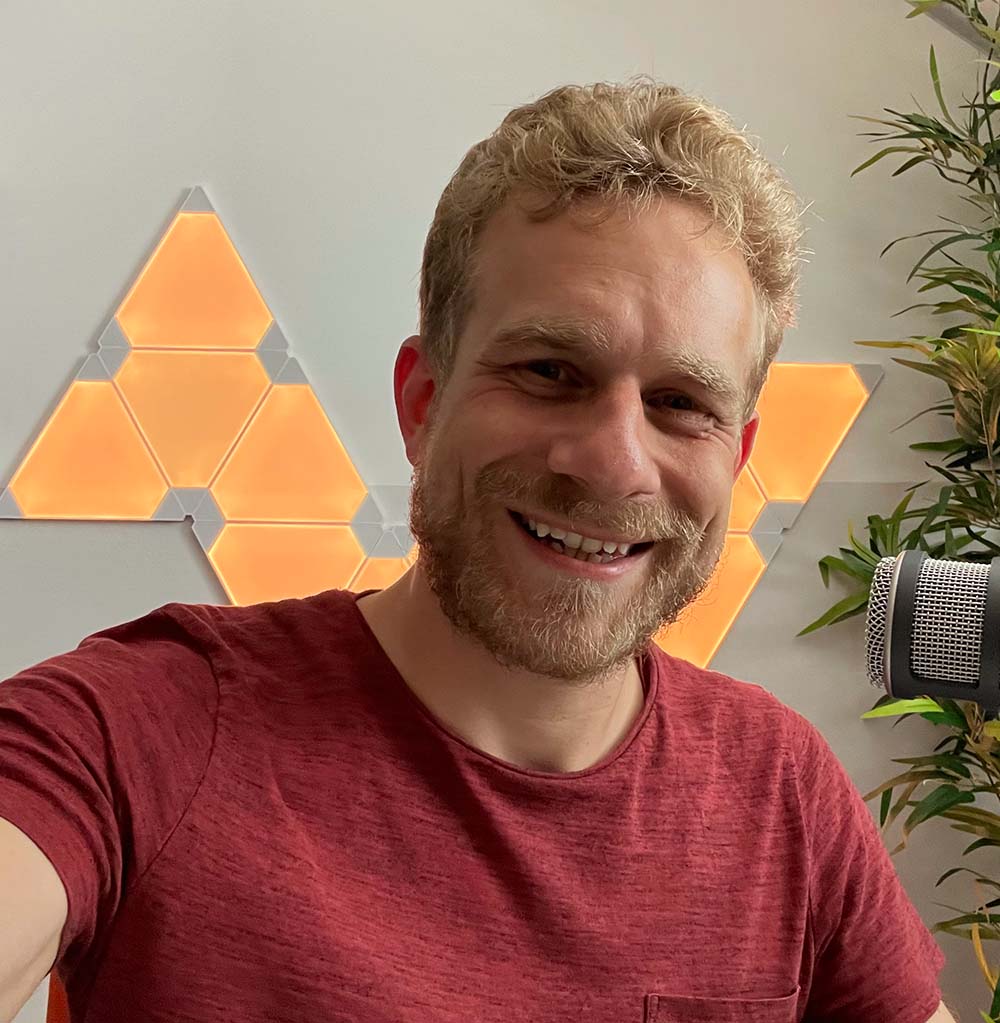
Maximilian Schwarzmüller
Founder & Instructor
Self-taught developer with 3,500,000+ students and 900,000 YouTube subscribers. I co-founded Academind with Manuel Lorenz to help people master new skills and build amazing projects.
Join 9640 happy students!
Choose the plan that works best for you
Single-Course License
Full access to "Docker & Kubernetes: The Practical Guide"
This is a one-time payment that grants access to this course only, not to any other courses.
Academind Pro Membership
Unlimited access to this and all other current & future courses!
This is a recurring payment. You can cancel anytime from your profile. For more info, contact Academind.
Continue Your Learning Journey
Expand your skills with these hand-picked courses that complement what you'll learn here.